

Shwe Pyi Oo Fermented Tea Factory
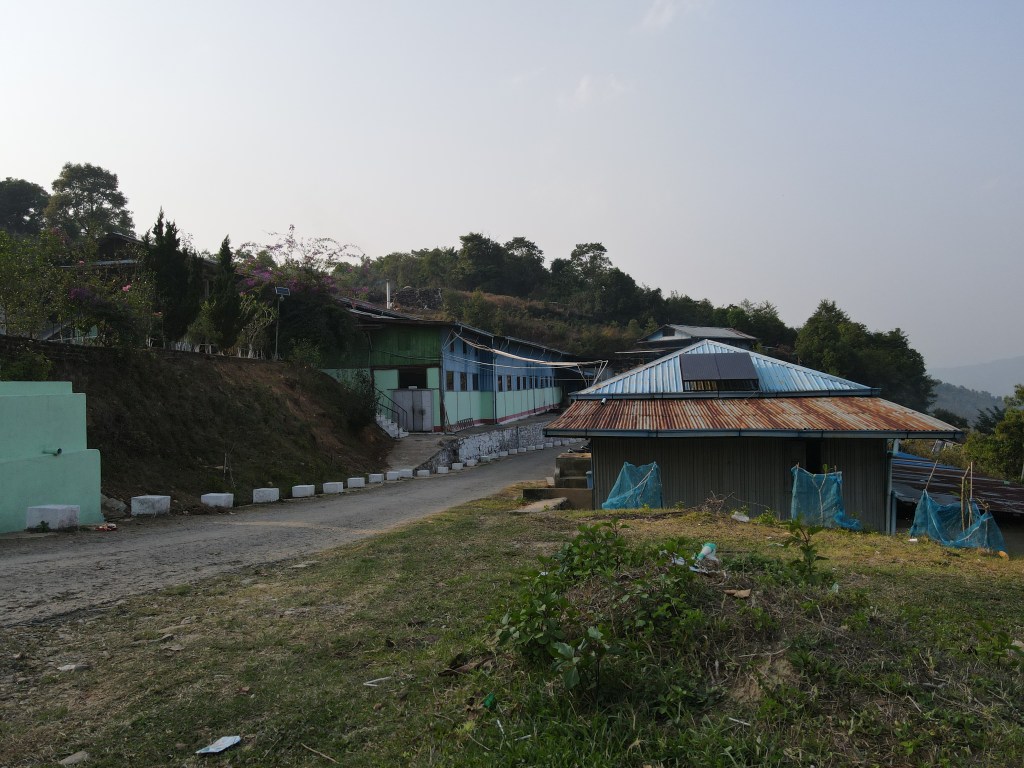
In 1990, our father, Mr. U Aik Kaung built Shwe Pyi Oo factory. Shwe Pyi Oo means “the early harvest of the tea season”.
The factory is on the outskirts of Hukhin village in Namhsan’s Zayan region, on the mountain slopes. In the rainy season, it is totally submerged by clouds. A small river flows close to the factory. When it is quiet, you can hear the gentle sounds of the river throughout the day.
We were in primary school in 1990 when our father built the factory. By foot it took us (four siblings – three brothers and one sister) five hours to walk to the factory, or we rode a horse. The factory was powered by a traditional wooden water wheel made by our uncle, U Hlaing.
At the start, the factory produced fermented tea and orthodox black tea. In 2015, Shwe Pyi Oo was upgraded to only produce fermented tea. It was our older brother Nelson’s idea
The Shwe Pyi Oo Fermented Tea Factory was refurbished and opened in 2015 to produce picked tea, updating the traditional fermentation method with technology. This marked a new era of company innovation. Much of our standardised pickled tea was exported to the United States in 2016.
With the help of Control Union, our factory is HACCP certified and our tea is perfectly edible.
CTA: Try premium Mijphayar teas. Contact Shwe Panlaw today [LINK Contact page]
Shwe Kwan Hal Factory
In 2013, we opened Shwe Kwan Hal Factory, named after the local village. It produces loose black, green, red, and semi-pu’er tea. Sold in bulk and packaged into tea boxes for local consumption.
It was Mr. U Tun Myaing (Nelson) who introduced new changes to our supply chain and to Shanlands. Our innovations have helped us to become a leading Myanmar tea company.
Shwe Kwan Hal was one of the first factories in Myanmar to introduce CTC (cut or crush, tear and curl) technology in Myanmar. Before, black tea used manual, orthodox British technology with each step done by hand.
CTC uses automatic machinery, producing almost 40 tons a month of black tea. CTC processes black and orthodox through plucking, withering, rolling, oxidation/fermentation, and drying.
CTC tea increases the raw produce from thousands of small tea households, boosting their income. People can brew the best tea in the country with meaningful and sustainable impacts to local tea growers.
Myanmar currently buys a lot of CTC black tea from China because traditional tea producers were not able to keep up with demand. Shwe Panlaw is very eager to turn this trend around by producing local CTC black for domestic consumers. This also benefits Namhsan tea growers struggling with their sales of low value green tea leaves.
Our Mijphayar black tea is supplied to over 500 tea shops in Myanmar. Miphayar is a unique and well-known tea brand in Myanmar.
In 2015, our black tea was certified as organic under Control Union and Shwe Panlaw became the first organic tea company in Myanmar. All our tea was certified organic but unfortunately due to the high cost of certification, we had to stop. However our tea remains organically grown and premium.
Orthodox is a black tea. It has more aroma than CTC tea so now most tea houses are shifting their preference to Orthodox black tea. Our Mijphayar black tea is designed for western tastes.
In 2017, we added red tea, green tea, and orthodox tea production units to Shwe Kwan Hal factory.
Miphayar Factory
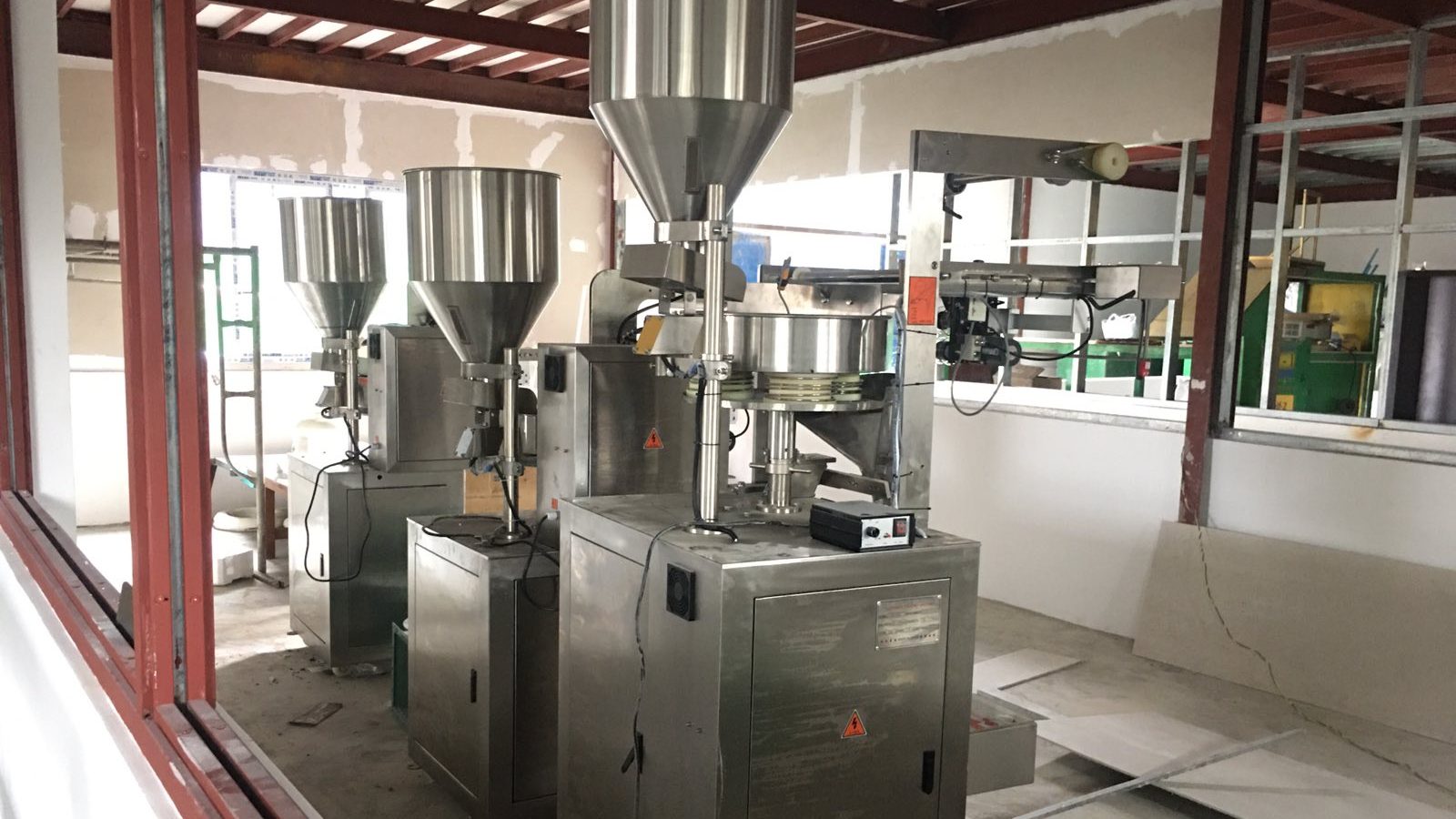
We built a new Pu’er tea factory in Mandalay city, drawing on a USAID grant during COVID-19. The grant covered the machinery while Shwe Panlaw built the infrastructure.
Miphayar Factory opened in 2022. It means “handmade black tea”.
Pu’er is our fermented tea. It is full of health benefits including weight loss, digestion, diabetes management, cardiovascular wellness, antioxidants, and skin and bone health.
Corporate social responsibility
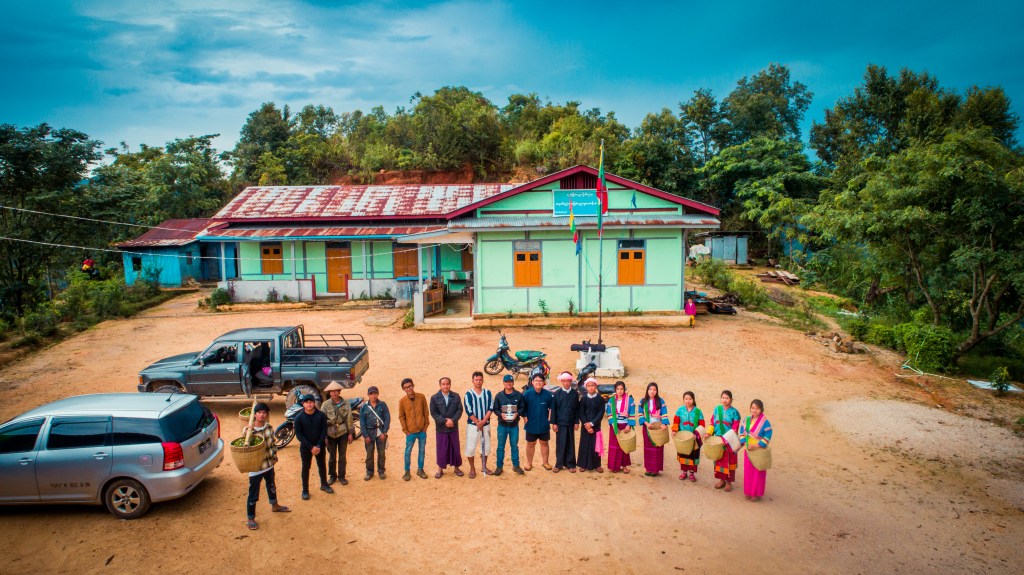
Shwe Panlaw company works to improve the everyday lives of the local Ta’ang (Palaung) communities.
We created the Ta’ang Tea World Myanmar Co., Ltd. in 2015, a cooperative with 100 shareholder farmers. It is a business designed to support the Ta’ang Tea Association (TTA), which is trying to raise funding to improve tea quality and train farmers on food safety.
We also invested in three small-scale, cooperative tea factories in Namkhan, TanYan and Moegoat, helping farmers there process their tea.
Shwe Panlaw factory had been established since March 2015 to upgrade the quality of pickled tea. It can now access international markets as well as enhance quality for domestic consumption. Unlike other tea processing units, we have supported the cooperative internationally.
We take a leading role in training our tea farmers and the Palaung Tea Growers and Sellers Association.
In 2015, TTA collaborated with WHH (Welthungerhilfe, a German development organisation) to select 50 farmers to grow five seasonal vegetables for income diversification.
In 2018, we also recruited and trained farmers to grow and sell ginger.
Collaborative training with TTA, Myanmar Tea Grower Exporters and Sellers Association (MTA) and Shwe Panlaw company:
Community level with farmers
- Built school buildings
- Collaborated with GIZ (German government development agency) on financial training
- Collaborated with World Health Organization (WHO) on HIV/AIDs awareness
- Tea production methods and practice trainings
- Inter-crop seedlings for extra income
- Farming equipment
Fosterage and cultivation
- Trimming, safety, quality, phytosanitary standards and general management skills
- Home based processing for green tea and pickled tea
- Standardised label and packaging (e.g., nutrition facts, ingredients, manufacturing date, expired date, label, and product code)
 Shwe Panlaw Company Limited